Vera Schulz · 17 October 2026
Charting Interconnected Note Ecosystems for Sustaining Specialized Community Signals in Shifting Digital Landscapes
Researchers have documented how interconnected note ecosystems function as structured repositories that link specialized community signals across multiple digital platforms, and data from recent analyses show these systems help maintain continuity when platform algorithms shift. Studies indicate that communities relying on such ecosystems experience steadier signal propagation, especially during periods of infrastructure change, while those without integrated approaches often see fragmented information flows.
Core Components of Note Ecosystems
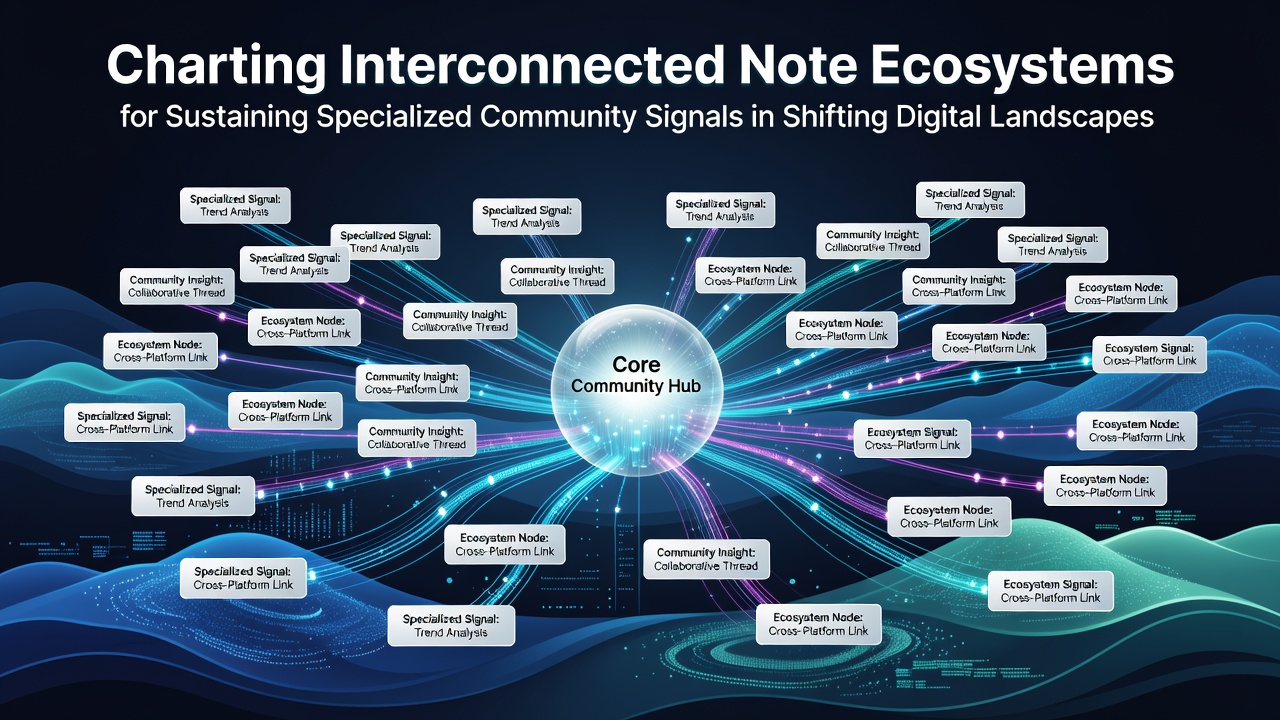
Experts describe note ecosystems as collections of tagged entries, cross-referenced threads, and timestamped updates that operate through shared protocols rather than isolated silos, and these structures allow specialized signals to travel between forums, wikis, and messaging channels without losing context. Observers note that metadata standards play a central role here because they enable queries to pull relevant notes from one platform into another, creating pathways that support ongoing community discussions.
Analyses of platform data reveal that ecosystems using standardized schemas record higher rates of signal retention compared with ad-hoc collections, and figures from infrastructure reports confirm this pattern holds across education, research, and hobbyist groups alike. When connections between notes remain active, communities can reference prior signals during new events, which reduces duplication and preserves historical context through direct links instead of manual copying.
Interconnections Across Platforms
Mapping exercises conducted by academic teams demonstrate that successful ecosystems rely on APIs and export functions to move notes between services, while maintaining version histories that track edits and attributions, and such linkages prove especially useful when one platform alters its visibility rules. Data collected through longitudinal studies show that groups maintaining these bridges sustain engagement metrics at steadier levels during transitions, whereas isolated notes tend to lose reach once search indexing changes.
One documented case involved a network of technical communities that synchronized notes across three distinct hosting environments, and the resulting data flows allowed participants to continue referencing specialized signals even after one service implemented stricter content policies in late 2025. Researchers tracking these patterns observed that the ecosystem approach preserved thread continuity without requiring full migration of archives.
Signal Sustainability in Changing Environments
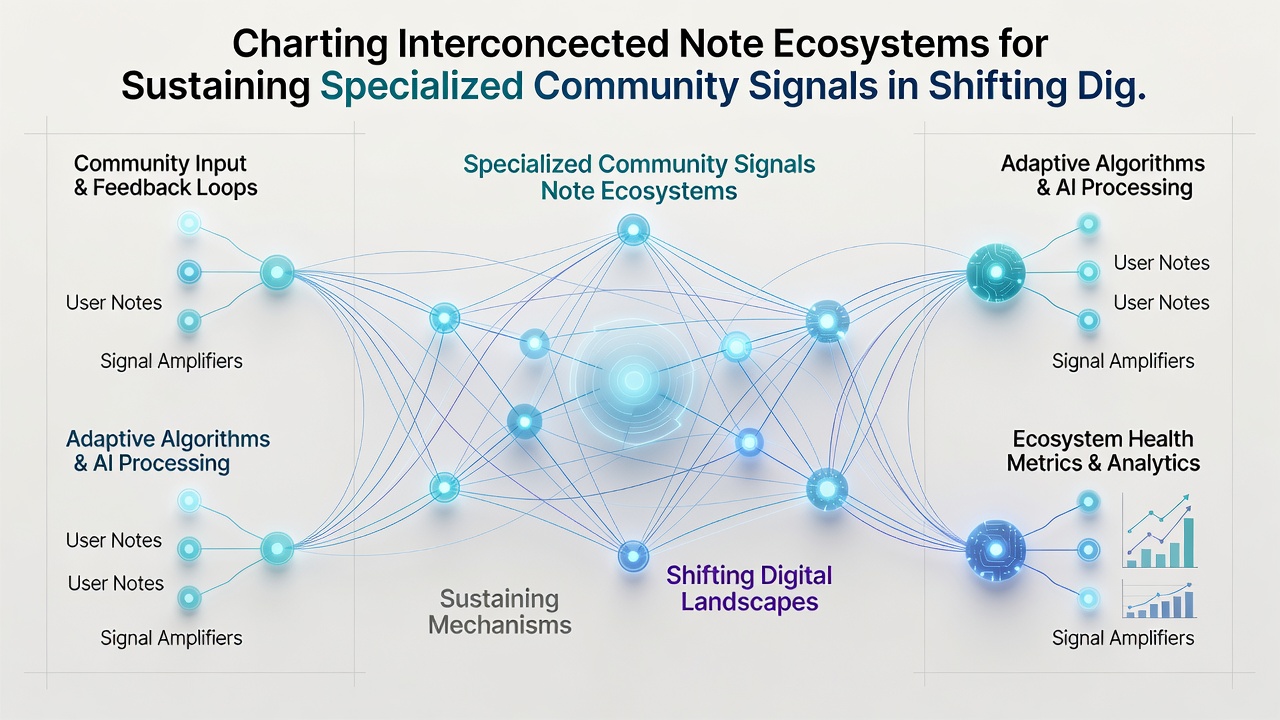
Reports from digital infrastructure monitoring groups indicate that signal sustainability depends on regular audits of connection health, because broken links or deprecated endpoints can interrupt the flow of specialized information between communities. In October 2026, updates to several major content delivery networks prompted multiple groups to test their note interconnections, and the results showed that ecosystems with redundant pathways recovered visibility faster than those depending on single routes.
Evidence from cross-platform studies further reveals that communities incorporating automated checks for link validity maintain higher signal consistency, and these practices align with findings from research institutions examining long-term digital preservation strategies. When notes carry embedded references to primary sources, participants can verify accuracy even if the originating platform modifies its display algorithms.
Mapping Techniques and Tools
Analysts employ graph-based visualization methods to chart relationships within note ecosystems, and these maps highlight clusters of high-signal activity alongside weaker connection points that require reinforcement. Tools developed by university research labs allow communities to simulate platform changes and observe how signals might propagate under different conditions, providing data that informs maintenance priorities.
Statistics released by international bodies tracking digital adoption show that organizations investing in mapping exercises report fewer disruptions during migrations, and the same datasets indicate that smaller communities benefit proportionally more from these preparations because they often lack dedicated technical staff. Cross-referencing signals across ecosystems also supports discovery of related discussions that might otherwise remain hidden behind platform-specific search limits.
Challenges in Implementation
Technical constraints such as API rate limits and format incompatibilities continue to affect ecosystem performance, according to surveys conducted by industry research consortia, yet communities that adopt modular architectures encounter fewer persistent barriers. Data indicates that gradual integration of new platforms into existing note networks produces more reliable outcomes than abrupt overhauls, because incremental testing reveals compatibility issues before they affect signal distribution.
Privacy regulations in various jurisdictions further shape how notes can be interconnected, and compliance frameworks require explicit consent mechanisms for cross-border data movement. Groups operating under these rules have developed anonymized tagging systems that preserve signal utility while meeting regulatory standards, as documented in compliance reports from multiple regions.
Conclusion
Current evidence demonstrates that charting interconnected note ecosystems offers measurable advantages for sustaining specialized community signals amid ongoing platform evolution, and continued monitoring through October 2026 and beyond will likely refine the methods communities use to maintain these connections. Researchers continue to examine how emerging standards influence long-term viability, while practical implementations provide additional datasets for evaluating effectiveness across diverse contexts.