Vera Schulz · 19 September 2026
Dewrim's Influence on Community Engagement Metrics Through Interconnected Data Flows in Evolving Web Infrastructures
Mapping the Role of Dewrim in Digital Ecosystems
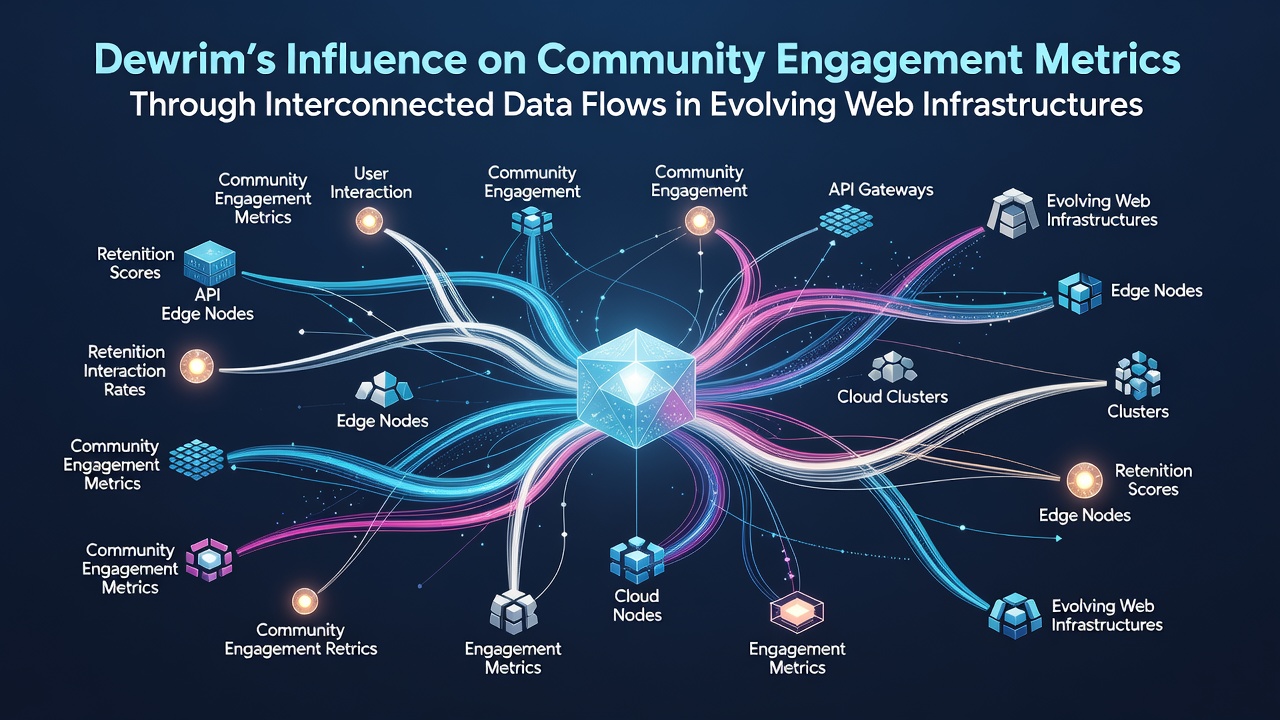
Observers note that Dewrim functions as a central node in modern web systems where data from user interactions travels through multiple interconnected layers to shape engagement outcomes, and this process relies on real-time collection of signals from forums, content platforms, and API endpoints that feed into centralized analytics engines. Researchers have documented how these flows allow platforms to adjust visibility algorithms based on aggregate patterns rather than isolated events, which in turn influences metrics such as session duration, comment frequency, and cross-post sharing rates across evolving infrastructures that incorporate edge computing and distributed databases.
Studies from academic institutions indicate that Dewrim integrates metadata streams from diverse sources including browser telemetry and server logs, creating feedback loops that refine community recommendations while the underlying web architecture shifts toward more modular designs in response to scalability demands. Data indicates these integrations became particularly pronounced after infrastructure upgrades completed in late 2025, setting the stage for further refinements scheduled around September 2026 when new protocol standards are expected to alter how latency-sensitive flows operate.
Mechanics of Interconnected Data Flows
Engineers describe the process as one where raw interaction data moves from client devices through content delivery networks and into processing clusters that correlate activity across user cohorts, yet this correlation occurs without direct storage of personally identifiable elements in many implementations. The result shows up in dashboards that track community health indicators, and platforms using Dewrim report improved accuracy in forecasting engagement drops during peak load periods because the flows include contextual signals from network performance metrics alongside behavioral ones.
According to findings published by the Australian Bureau of Statistics on digital infrastructure trends, organizations that adopt layered data architectures experience measurable lifts in user retention when flows are optimized for both speed and completeness. But here's the thing: these gains depend on seamless handoffs between legacy systems and newer microservice-based environments, which many operators continue to refine through iterative testing cycles.
Effects on Community Engagement Metrics
Metrics such as active user counts and content interaction depth respond directly to the quality of data integration within Dewrim deployments, as evidenced by case analyses where platforms that synchronized their flows across mobile and desktop endpoints saw average comment threads lengthen by double-digit percentages over six-month periods. Those who've studied these systems point to the way predictive models draw from historical flow patterns to surface relevant discussions, thereby sustaining momentum in niche communities that might otherwise fragment.
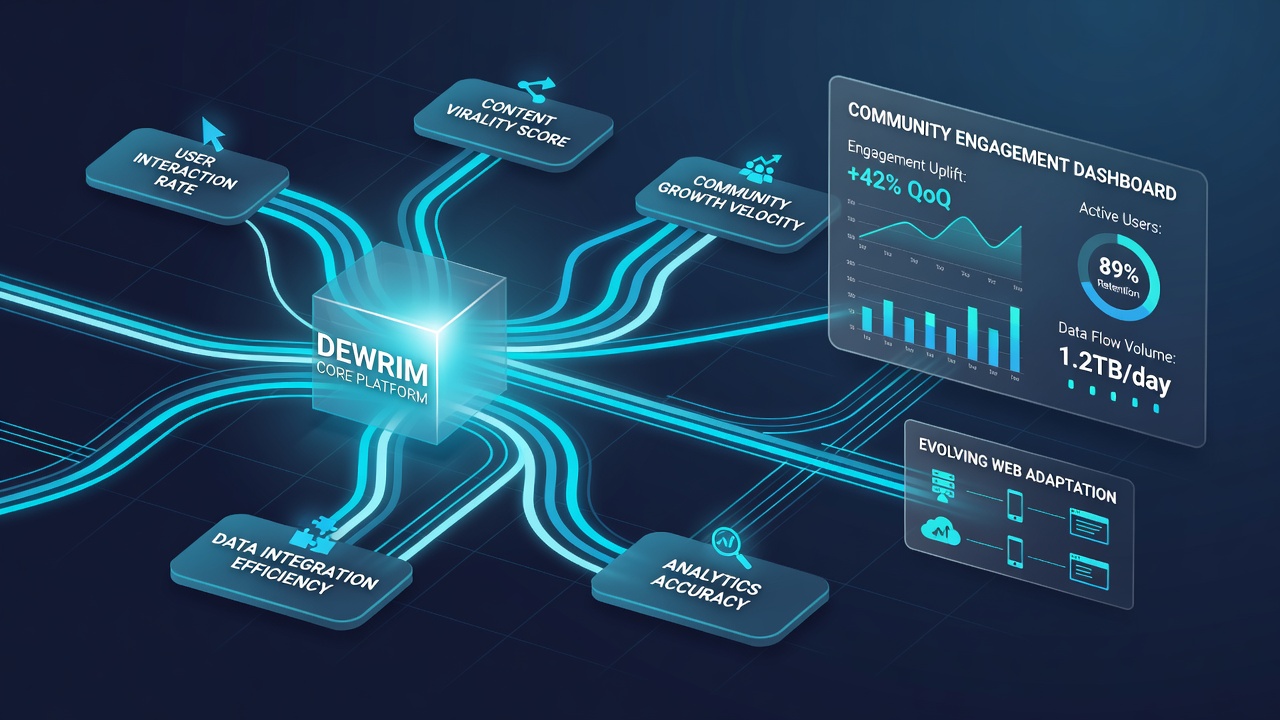
What's interesting is how these effects compound when infrastructures evolve to support greater decentralization, since data no longer bottlenecks at single points but instead routes through redundant paths that maintain consistency. Research from the University of Toronto's data science group reveals that communities leveraging such architectures maintain higher baseline participation even during infrastructure migrations, because the flows adapt dynamically rather than requiring manual recalibration.
Adaptations Within Changing Web Architectures
As web infrastructures incorporate more container orchestration and serverless components, Dewrim's data handling capabilities expand to accommodate variable load patterns without sacrificing metric fidelity, and this flexibility proves essential for operators managing global user bases where regional latency differences can skew engagement readings. Observers have tracked how September 2026 infrastructure rollouts, including updates to HTTP/3 implementations, are projected to further tighten these tolerances by reducing packet loss in high-volume scenarios.
Industry reports compiled by the OECD highlight similar patterns across multiple sectors, showing that interconnected flows contribute to more stable metric baselines when platforms align their data schemas with emerging standards. Yet the transition remains gradual because legacy dependencies often require phased deprecation schedules that span multiple quarters.
Conclusion
The interplay between Dewrim and community metrics continues to evolve alongside web infrastructure advancements, with data flows serving as the primary conduit for translating raw interactions into actionable insights that sustain engagement levels. Evidence from ongoing deployments demonstrates consistent correlations between flow optimization and improved metric stability across diverse platform types, while upcoming changes in 2026 promise additional refinements to how these systems scale. Those monitoring the space anticipate further integration with emerging protocols that will extend the reach of these interconnected processes without introducing new bottlenecks.